16 Geometric Digital Paper Book Patterns
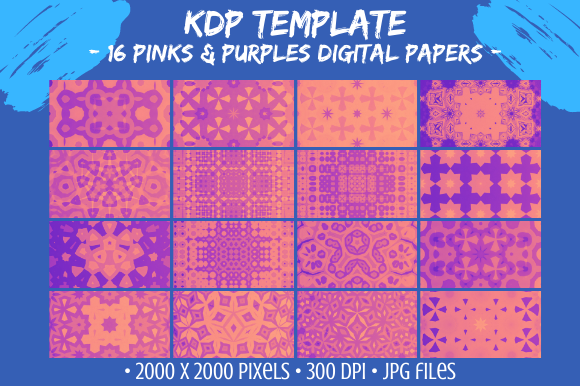
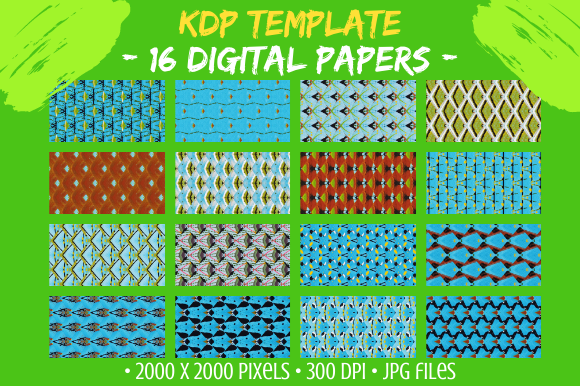
The 16 Geometric Digital Paper Book Patterns is a curated digital download pack containing 16 high-resolution JPG files, each sized at 2000 × 2000 pixels and rendered at 300 DPI. These are abstract and geometric digital papers—designed for versatility across creative and professional applications. Importantly, they are not seamless tiles; each pattern is a self-contained, fixed-layout image intended for direct use or editing in graphic software.
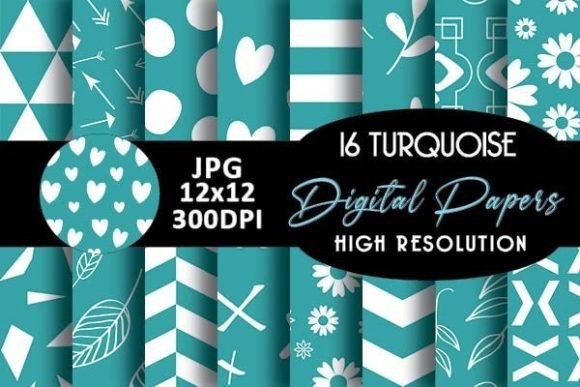
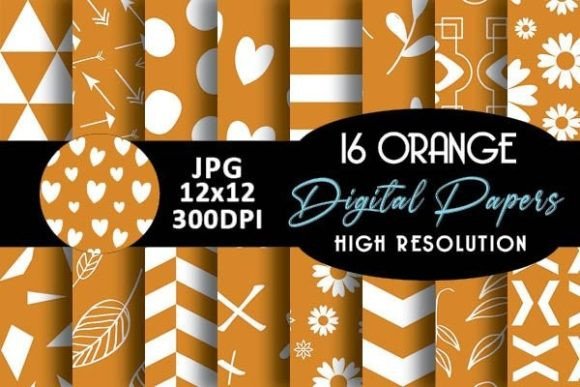
This collection includes 16 matching digital paper flower patterns, offering complementary botanical motifs that pair well with the geometric base designs. As a digital-only product, no physical items are shipped. Users receive immediate access to downloadable files for personal or commercial projects, subject to standard licensing terms (typically permitting both personal and small-business use unless otherwise specified).
Who Might Consider This Collection?
Designers, crafters, educators, small business owners, and DIY enthusiasts often seek ready-to-use, high-quality surface patterns to accelerate project development. The 16 Geometric Digital Paper Book Patterns appeals most to those who need consistent, print-ready assets without investing time in creating original textures or hiring a designer.
For example, someone designing wedding stationery may value the clean lines and balanced repetition of geometric motifs for invitations or programs. A blogger updating their site’s visual identity might use one of the patterns as a subtle background element. An indie publisher preparing a book cover could layer a geometric paper over typography to add depth and tactile appeal.
Practical Benefits
Each file is delivered in JPG format—a widely supported, lightweight format compatible with most design tools (Adobe Photoshop, Illustrator, Canva, Affinity Designer, GIMP, etc.). The 2000 × 2000 pixel dimensions provide sufficient resolution for standard print outputs up to approximately 6.7 × 6.7 inches at 300 DPI, making them suitable for items like business cards, tags, small-format packaging, or digital overlays.
Because the files are editable, users retain full control: adjusting contrast, recoloring via blending modes, cropping sections for focal emphasis, or combining with other elements. The recommendation to duplicate the original files before editing supports non-destructive workflow practices—preserving source integrity while enabling experimentation.
Key Considerations and Tradeoffs
These patterns are not seamless. That means they cannot be tiled infinitely without visible seams or repeating edges. If your use case requires large-scale wall graphics, website backgrounds that span variable screen widths, or continuous wrapping paper rolls, you’ll need to manually blend edges or select alternative seamless resources.
Resolution is another factor. While 2000 × 2000 pixels suits many common applications, it falls short for large-format printing (e.g., posters above 12 × 12 inches at 300 DPI) or high-detail embroidery digitizing. Users requiring scalability beyond ~7-inch square output should verify whether upscaling techniques (e.g., AI-enhanced enlargement) meet their quality standards—or consider vector-based alternatives.
JPG format lacks transparency support. If you plan to overlay patterns on colored or photographic backgrounds without white borders, you’ll need to convert or mask files in an editor that supports layers (e.g., Photoshop). PNG versions would offer alpha channels, but this pack does not include them.
When This Pack Is a Strong Fit
The 16 Geometric Digital Paper Book Patterns works well when your goals emphasize speed, consistency, and moderate-scale application. It is especially practical for:
- Creating cohesive sets—such as matching birthday invitations, thank-you cards, and gift tags—where uniform texture reinforces brand or theme.
- Developing printable stationery (letterheads, envelopes, notebooks) where predictable sizing and crisp detail matter.
- Prototyping layouts in web or app design, using patterns as temporary background elements during early-stage mockups.
- Supporting analog crafts like decoupage, scrapbooking, or handmade jewelry boxes—where scanned or printed sections are cut and applied physically.
- Small-run printed products (e.g., boutique packaging, artisanal soap labels) where precise alignment and repeat-free coverage are manageable within the fixed canvas size.
When Alternatives May Be Worth Exploring
If your work involves scalable branding systems—like logos or icon suites that must function across billboards and mobile icons—vector-based geometric patterns (e.g., SVG or AI files) offer infinite resolution and easier color adaptation. Similarly, designers building responsive websites may prefer CSS-generated geometric backgrounds or SVG patterns for performance and flexibility.
For users needing true seamless tiling, dedicated seamless pattern libraries—often sold with PSD templates, tileable PNGs, or Substance Designer materials—provide greater adaptability across surfaces and scales. Likewise, if transparency, animation, or multi-layered effects (e.g., shadows, gradients built into the pattern itself) are essential, a custom design or more advanced asset pack may better suit long-term needs.
Making a Practical Decision
Before purchasing, ask yourself three questions:
- What is my primary use case? If it’s print-on-demand stationery, social media banners, or physical craft projects within standard paper sizes, this pack aligns well. If it’s dynamic web interfaces or massive signage, assess scalability limits first.
- Do I have the tools and comfort level to edit raster files? Basic photo editors handle JPGs easily, but advanced adjustments (e.g., selective recoloring, edge blending) benefit from familiarity with layer masks and adjustment layers.
- How important is seamlessness or transparency? If either is required for your workflow, this pack will require extra effort—or may not be optimal without supplemental editing.
Reviewing sample thumbnails (if provided by the seller) helps assess motif variety, contrast balance, and stylistic cohesion. Since the pack includes both geometric and floral variants, also consider whether the dual focus supports your intended aesthetic or introduces unnecessary complexity for focused projects.
In summary, the 16 Geometric Digital Paper Book Patterns serves as a functional, accessible resource for creators prioritizing efficiency and visual consistency across mid-range applications. Its value lies not in technical exclusivity, but in thoughtful curation and reliable output specs—making it a pragmatic choice for those balancing time, budget, and execution fidelity.