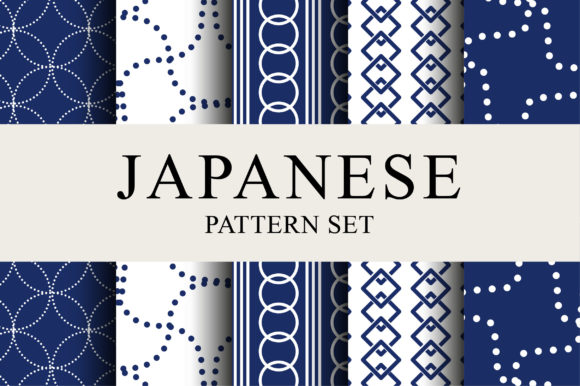
Set of Japanese Seamless Patterns
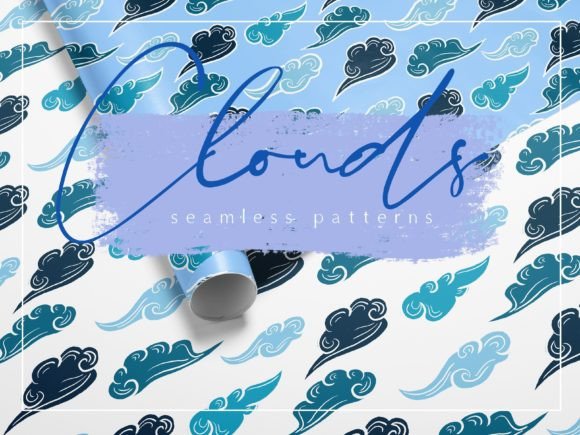
Thoughtful design assets don’t just fill space—they shape perception, reinforce intention, and quietly elevate execution. The Set of Japanese Seamless Patterns is one such asset: 100 hand-drawn, high-resolution motifs rooted in Japanese visual language—refined through Adobe Illustrator for precision, scalability, and versatility. These aren’t mass-generated AI outputs or generic stock repeats. Each pattern reflects deliberate line work, balanced negative space, and cultural nuance—cherry blossoms, wave forms, bamboo textures, geometric kamon, and stylized flora rendered with restraint and rhythm.
Why This Set Fits Strategic Design Work—not Just Decoration
For entrepreneurs launching a wellness brand, educators designing bilingual classroom materials, or small business owners curating seasonal packaging, the Set of Japanese Seamless Patterns serves as more than background filler. It functions as a quiet signal—communicating sophistication, mindfulness, or heritage without verbal explanation. That matters when every visual touchpoint competes for attention and trust.
Unlike single-use clip art, seamless patterns scale across contexts without distortion or repetition fatigue. A subtle washi-inspired motif on a product label holds up equally well on a 48” trade show banner or a 2” sticker. That consistency supports brand cohesion over time—and reduces the need to source or redraw assets for each new application.
Practical Integration Across Real-World Use Cases
The included file formats—AI, EPS, PDF, PNG, JPG, and SVG-compatible vector data—mean this set adapts to both digital and physical production pipelines:
- Scrapbooking & printable décor: Use high-DPI PNGs for crisp home-printed banners, journal covers, or photo album accents—no pixelation at 300 DPI.
- Cut machines (Cricut, Silhouette): Vector-based AI/EPS files retain clean edges during intricate cuts—ideal for vinyl decals, iron-on transfers, or engraved wood signs.
- Apparel & textile printing: Seamless tiling ensures patterns flow naturally across fabric panels; scalable vectors eliminate resizing compromises for screen printing or DTG workflows.
- Invitations & stationery: Layer subtle patterns behind typography in InDesign or Illustrator to add texture without competing with readability—especially effective for wedding suites or corporate event branding.
- Digital content & social visuals: Export transparent PNGs for Instagram story overlays, email headers, or blog post dividers—maintaining aesthetic continuity across owned channels.
This breadth isn’t accidental. It reflects intentional preparation: each pattern was drawn to tile cleanly at multiple scales, avoiding visual “stutter” where edges meet. That saves hours of manual alignment, masking, or trial-and-error tiling—time better spent refining messaging, testing offers, or engaging customers.
When to Reach for This Set—and When to Pause
A Set of Japanese Seamless Patterns delivers maximum strategic value when aligned with clear objectives—not when deployed as decoration-by-default. Before downloading or applying any motif, ask:
- Does this support—or dilute—the core message? A delicate sakura pattern enhances a tea brand’s calm positioning but may feel disconnected from a fintech dashboard UI.
- Is the context receptive to cultural reference? Japanese motifs carry layered meaning. Use them respectfully—avoiding sacred symbols (e.g., specific Buddhist mandalas) in commercial contexts without deeper understanding or consultation.
- What’s the production reality? If you’re printing on dark fabric, prioritize PNGs with transparent backgrounds. For large-format signage, rely on AI/EPS vectors—not JPGs—to prevent blurring.
Blindly layering patterns across every surface weakens impact. Strategic use means selecting *one* motif to anchor a campaign—then varying its density, color, or scale across touchpoints rather than rotating unrelated designs. That builds recognition. Random variation builds noise.
Planning Your Workflow Around the Files
The ZIP package contains all deliverables pre-organized—not scattered across folders. But extraction is only step one. To use the Set of Japanese Seamless Patterns effectively, integrate them into your existing asset management habits:
- Name files consistently: Prefix with use case (e.g., “JP_Wave_Seams_300dpi_PNG”) so they’re findable in bulk later.
- Test tiling before finalizing: In Illustrator, create a 12×12 inch artboard, place one pattern, then use Object > Pattern > Make to preview repeat behavior at actual print size.
- Preserve vector integrity: Never rasterize AI/EPS files unless absolutely necessary. Scaling vectors maintains sharpness across media—from mobile app icons to wall murals.
- Document usage rights: These files are licensed for commercial use—including client work—but not for resale as standalone clip art. Keep that boundary clear in contracts or project briefs.
Risks of Misalignment—And How to Avoid Them
The biggest risk isn’t technical—it’s contextual. Using a highly detailed ukiyo-e–inspired pattern on low-resolution social thumbnails sacrifices legibility and confuses hierarchy. Similarly, applying dense motifs to small embroidery areas exceeds machine capability and results in lost detail.
Another common misstep: assuming “Japanese” means monolithic. Patterns vary significantly by region, era, and purpose—Edo-period family crests differ structurally and symbolically from modern kawaii motifs. Choose based on audience resonance, not just aesthetic novelty.
To mitigate, treat the Set of Japanese Seamless Patterns like a curated palette—not a toolkit to exhaust. Start with three patterns that align most closely with your current project’s tone, test them in real layouts (not just mockups), and measure response: Does it improve dwell time? Do customers mention the design’s “calm feel” or “thoughtful detail”? That feedback—not just visual appeal—validates strategic fit.
Long-Term Value Beyond the First Project
This isn’t disposable design. Because these are hand-drawn vector assets—not algorithmically generated repeats—they age well. You won’t outgrow them as trends shift. A minimalist wave pattern remains relevant whether you’re designing for a meditation app in 2024 or a ceramic studio’s holiday collection in 2027.
More importantly, owning the full set means you control iteration. Need a version in charcoal gray instead of indigo? Adjust swatches in Illustrator—not wait for a vendor revision. Want to combine two motifs into a custom hybrid? Layer vectors with clipping masks and transparency controls. That autonomy accelerates iteration cycles and deepens creative ownership.
For freelancers quoting fixed-fee projects, having a vetted, versatile pattern library also strengthens proposals. Instead of estimating hours for custom pattern development, you can confidently include polished, culturally grounded visuals—without inflating timelines or budgets.
Final Consideration: Intention Over Inventory
Having 100 patterns is useful. Knowing which 3 serve your goal—and why—is decisive. The Set of Japanese Seamless Patterns rewards thoughtful curation, not accumulation. It supports clarity, not clutter. It enables precision, not guesswork.
If your aim is to communicate care, balance, or quiet confidence—whether through packaging, digital interfaces, or printed keepsakes—these patterns offer a grounded, scalable foundation. They don’t replace strategy. They execute it—quietly, consistently, and with craft.